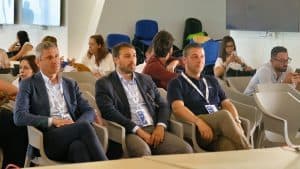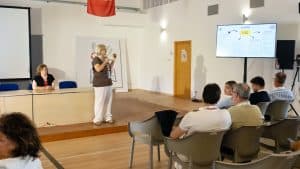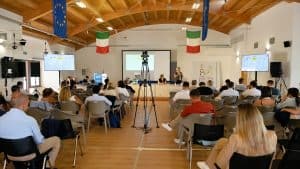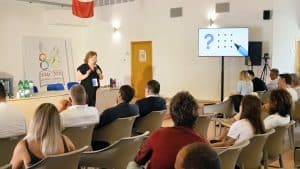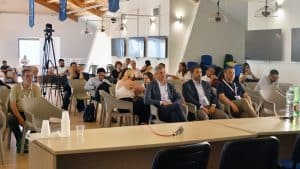
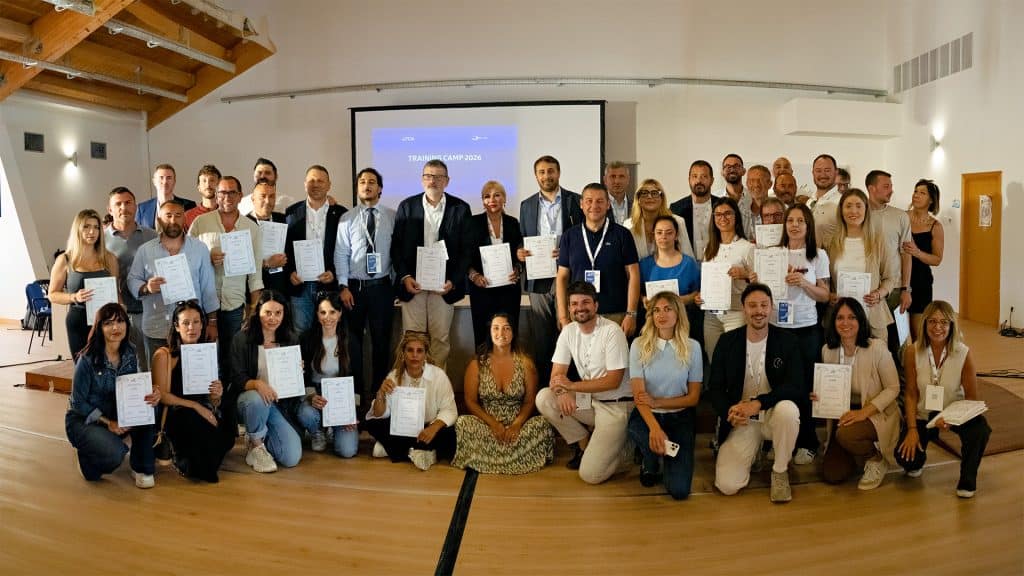
The ANCI Lazio Training Camp concluded on June 5 in Ventotene, a three-day training and exchange event that involved local administrators from all over Lazio in a course dedicated to the major transformations affecting territories and communities.
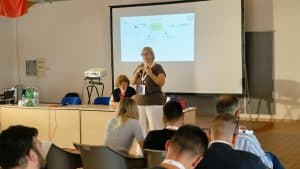
The final day began with a reflection on the theme of sustainability and responsible governance through the meeting “A New Vision: Sustainable and Certified Municipality with the SRG88088”.
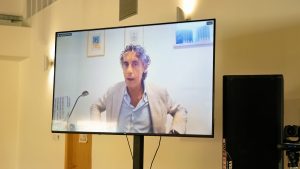
Roberta Lombardi, The Director of the Leonardo Ethics School, Marco D’Amico, presented the project “Ethical and Sustainable Municipality”, a path aimed at guiding local authorities towards increasingly transparent, accountable, and goal-oriented administrative models in line with the 2030 Agenda. This approach leverages the best practices already present in the territories and promotes an integrated vision of local development.
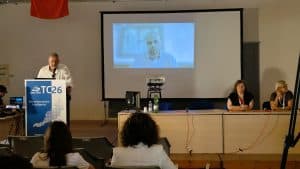
Following this, the debate focused on the relationship between the municipalities and Europe with the session “Europe born in the municipalities. Ventotene 2026: possible futures, living communities and the responsibility of being connectors”.
Through the interventions of Germana De Falco, senior expert in European policies and territorial cohesion, and Agostino Bultrini, Head of the ANCI Research and Project Area for Strengthening Staff Competencies, it was highlighted that local administrations represent the first level of building Europe, called upon to transform opportunities, resources and visions into concrete projects for citizens.
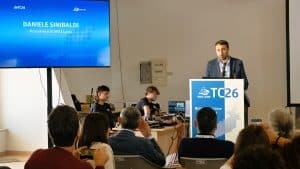
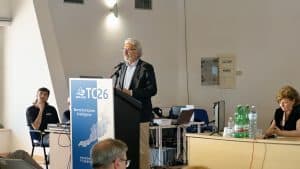
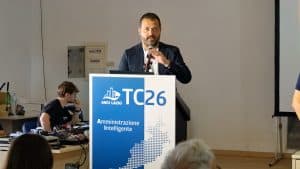
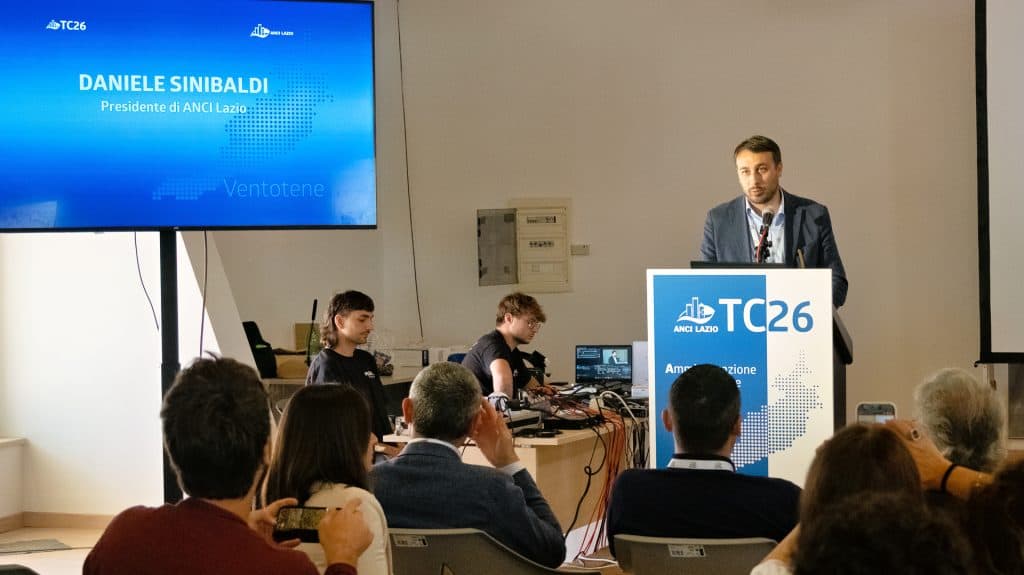
Closing the Training Camp was the discussion titled “The future is not waiting; administrators accept the challenge of change”, with the interventions of Pierciro Galeone, Director General of IFEL, and the President of ANCI Lazio Daniele Sinibaldi.
During the final meeting, the strategic role of local administrators was reiterated in guiding the processes of innovation and development of territories, transforming skills, vision, and planning into concrete actions at the service of communities.
This concludes a particularly intense edition of the ANCI Lazio Training Camp, which has confirmed Ventotene as a symbolic and privileged place for building a new administrative culture based on training, institutional collaboration, and the ability to envision the future of the territories.