

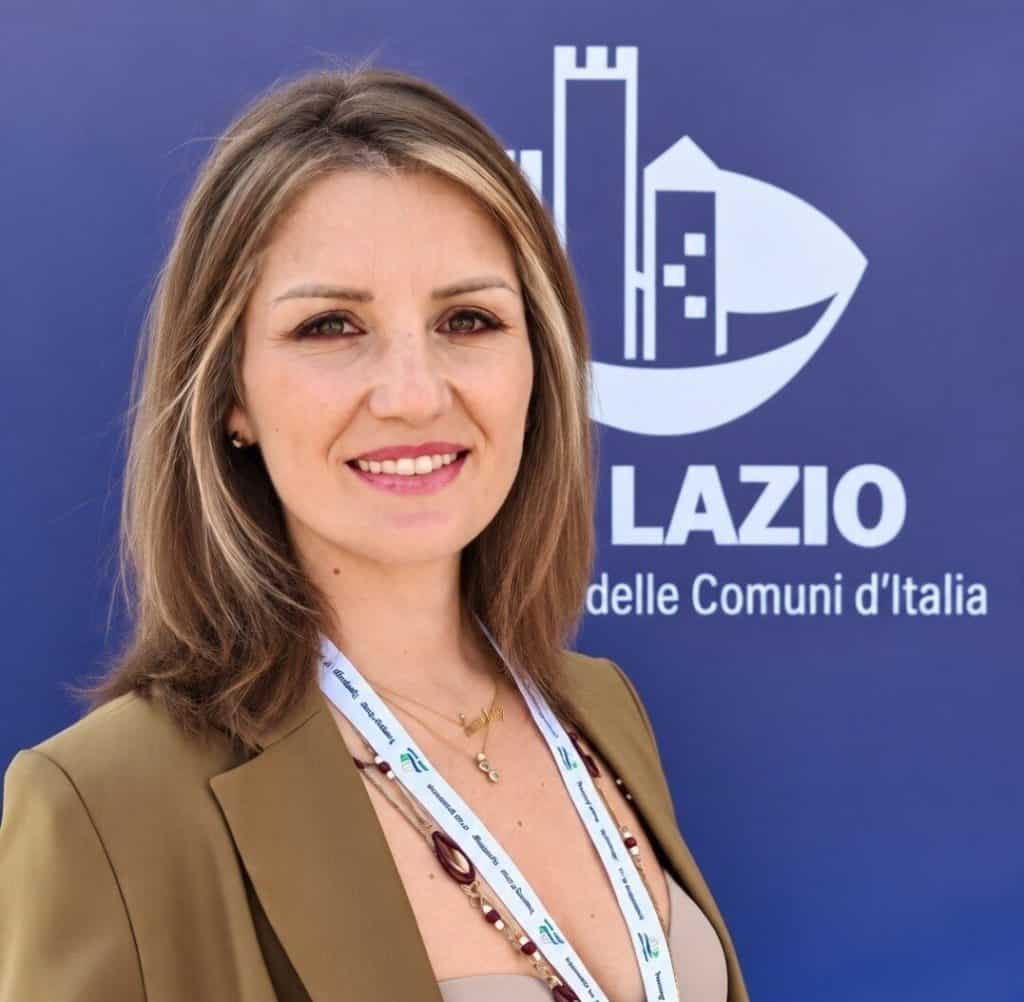
The Coordinator of the ANCI Lazio Women Administrators’ Council draws attention to the fundamental role of municipalities in promoting equal opportunities and the need to translate the principles of equality into concrete actions for the benefit of communities.
Gender equality cannot remain merely a principle recognized at the normative level; it must translate into concrete public policies capable of impacting on the daily lives of people and contributing to the construction of more equitable and inclusive communities. This is the message at the heart of the reflections presented in this document. Simona Mulè, Coordinator of the Women Administrators’ Council of ANCI Lazio, It draws attention to the responsibility of institutions and, in particular, local authorities in promoting real equality between women and men.
An objective that requires a constant commitment from public administrations, which are called not only to ensure respect for rights but also to identify instruments and interventions capable of overcoming the inequalities still present in society. In this journey, municipalities represent a fundamental pillar, thanks to their proximity to citizens and their ability to detect the needs of communities.
The promotion of gender equality must become an integral part of administrative action, spanning the various areas of local policies: from work to social services, from education to reconciling work and family life, to women’s participation in decision-making processes and in roles of responsibility.
From this perspective, the role of women in municipal administrations takes on particular importance. Their presence not only represents an element of balance in institutional representation, but also constitutes a fundamental resource for enriching decision-making processes, enhancing different skills and experiences, and contributing to the definition of public policies more responsive to the needs of the entire community.
As also highlighted by the ANCI Dossier “Women in the Municipality”, the presence of women in local administrations is evolving, with women increasingly involved in strategic sectors for the governance of territories, from public works to urban planning, to the ecological transition. This significant change must be accompanied by tools capable of ensuring equal access opportunities, participation, and growth in institutional roles.
The Advisory Council of Women Administrators of ANCI Lazio, Coordinated by Simona Mulè, it fits perfectly into this framework, promoting the exchange of experiences and good practices among administrators, and highlighting the contribution of women to the political and administrative life of the municipalities in Lazio.
The objective is to strengthen a network of administrators capable of actively contributing to the definition of territorial policies, fostering greater awareness of the importance of gender equality as a cross-cutting element of government action.
Particular attention must also be paid to the new generations, through educational initiatives, awareness-raising and participation, so that the culture of equal opportunities can take root from the very beginning of educational paths and become a shared value within communities.
The path towards full equality therefore requires a change not only cultural but also organizational and administrative. Tools such as the gender budget, the evaluation of the impact of public policies, and the promotion of greater female participation in decision-making processes can help make equality a concrete and measurable goal.
For ANCI Lazio, through the activities of the Women Administrators’ Council, the challenge is to continue supporting and enhancing the role of women in local institutions, fostering dialogue between administrations and promoting policies capable of responding to the needs of the territories.
Transforming rights into public policies means, in fact, moving from the formal recognition of equality to its effective implementation., By making gender equality an essential component of the quality of administrative action and the development of local communities.