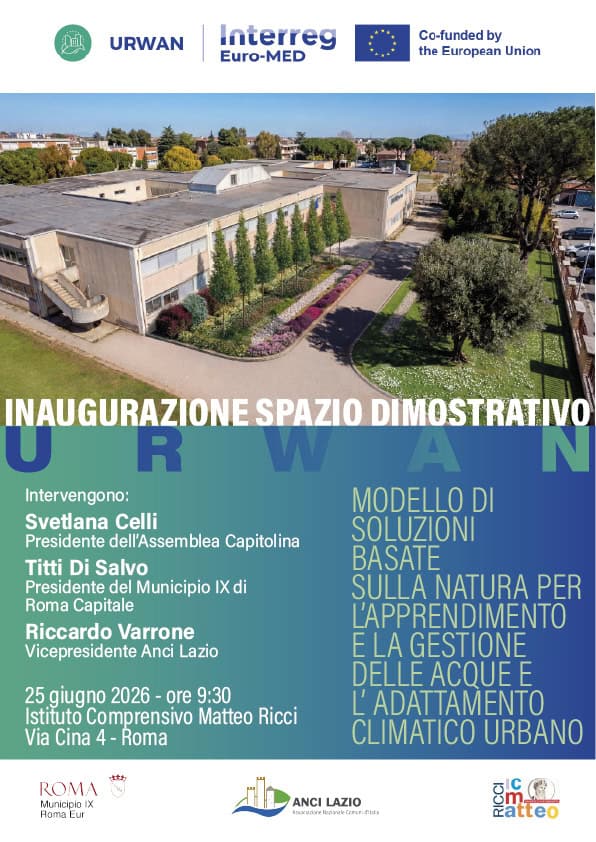
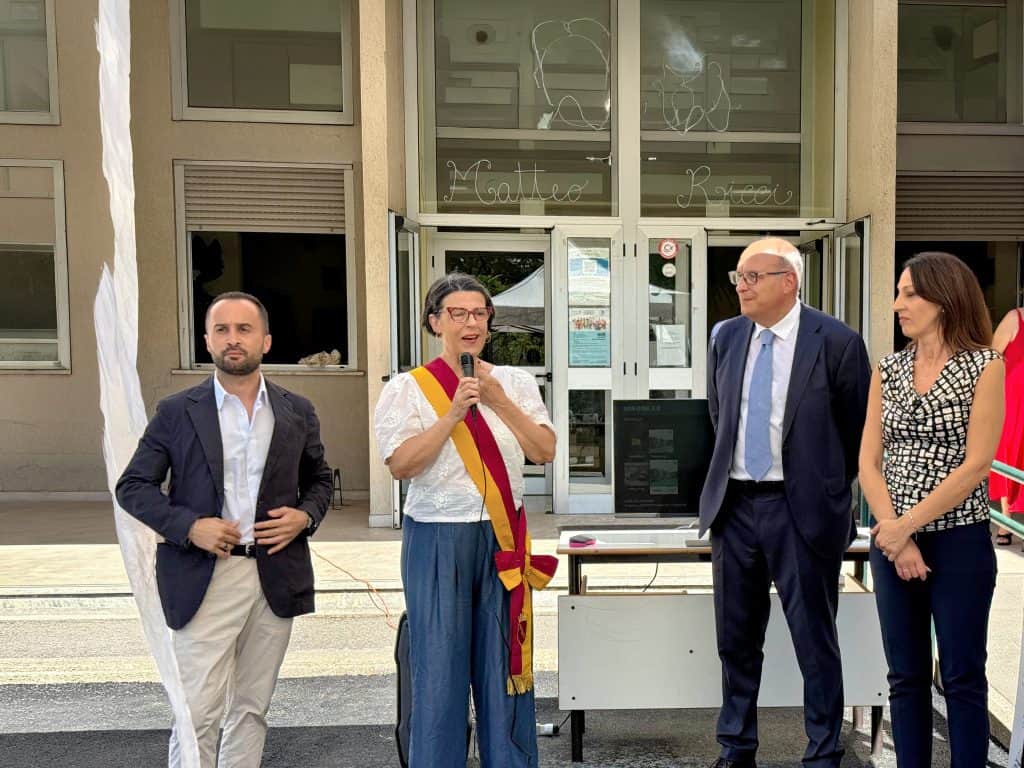
The inauguration of the URWAN Pilot Space at the “Matteo Ricci” Comprehensive Institute in Rome marks a new step forward in the European project dedicated to the climate resilience of cities.
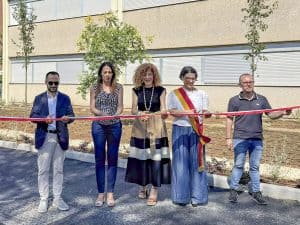
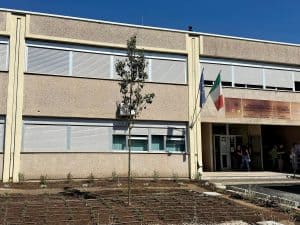
This morning, Thursday 25 June, the demonstration area set up within the school in Via Cina 4, in Municipio IX, was officially opened, becoming a place where innovation, sustainability and training meet.
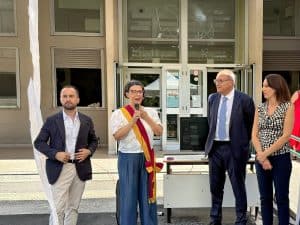
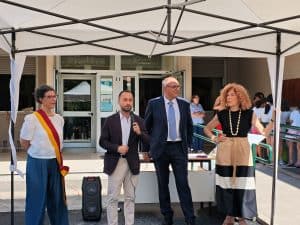
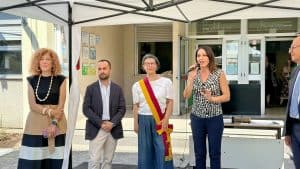
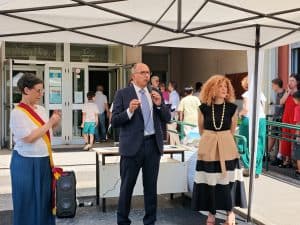
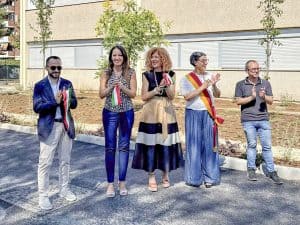
At the ceremony attended Svetlana Celli, President of the Capitoline Assembly, Titti Di Salvo, President of Municipality IX, Rome Capital, Riccardo Varone, Vice-President of ANCI Lazio, Paola Angelucci, School Councillor for Municipality IX of Rome Capital, and Laura De Paolis, school principal of the I.C. “Matteo Ricci”.
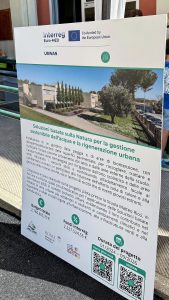
Their presence underscored the institutional value of an initiative that aims to transform the school into a permanent laboratory for good practices in adapting to climate change. The Pilot Space was created within the framework of URWAN, a project co-funded by the Interreg Euro-MED programme, which involves partners from various Mediterranean countries with the aim of experimenting and widely adopting Nature-based Solutions to make urban spaces more resilient to the effects of the climate crisis. The area inaugurated today is not just a redevelopment project, but a true open-air urban laboratory.
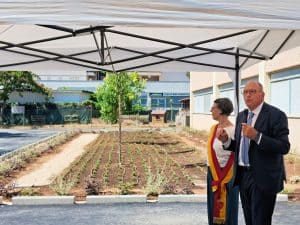
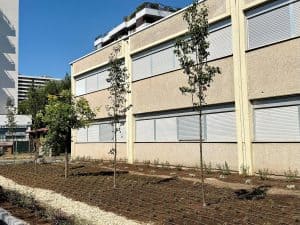
Technologies and natural systems have been implemented to improve rainwater management, combat urban overheating, and increase soil permeability.
The interventions include rain gardens, bioretention systems, permeable paving, and water harvesting and reuse solutions, designed to demonstrate concretely how cities can be adapted to extreme climate events.
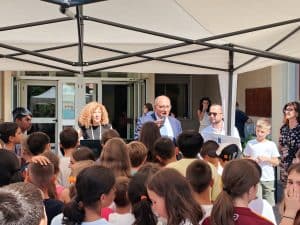
The choice to implement the pilot project within a school is not accidental. In addition to its demonstrative function, the project aims to directly involve students, teachers, and citizens, transforming the space into a hub for environmental education and participation. The objective is to spread a culture of sustainability through concrete and replicable experiences, so that the tested solutions can also be adopted in other urban contexts.
For ANCI Lazio, lead partner of the project, the inauguration represents an important moment in URWAN's journey: the Roman laboratory is in fact becoming a point of reference for local administrations, technicians, and communities interested in learning and applying innovative climate adaptation strategies, demonstrating how collaboration between institutions, schools, and European bodies can translate into concrete interventions for the benefit of the territory.